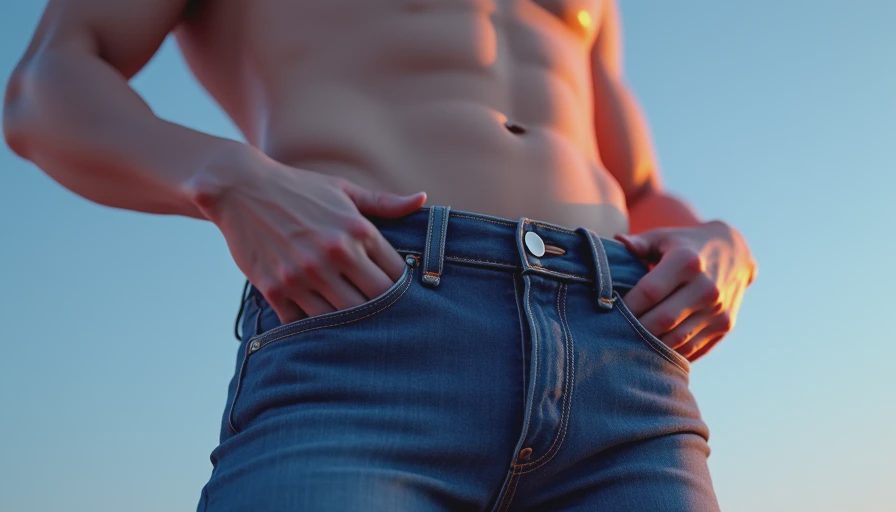
If you've ever stood in a fitting room wondering how tight should men's jeans fit, you're not alone. It's one of the most common questions I get from guys who just want a pair of jeans that looks good and feels comfortable. Over my years working at Levi's, Gap, and now J.Crew Factory, I've helped hundreds of men figure this out. The short answer: your jeans should be snug enough to stay up without a belt, but not so tight that you can't pinch an inch of fabric at the thigh. Let's break that down.
The Goldilocks Rule for Jean Fit
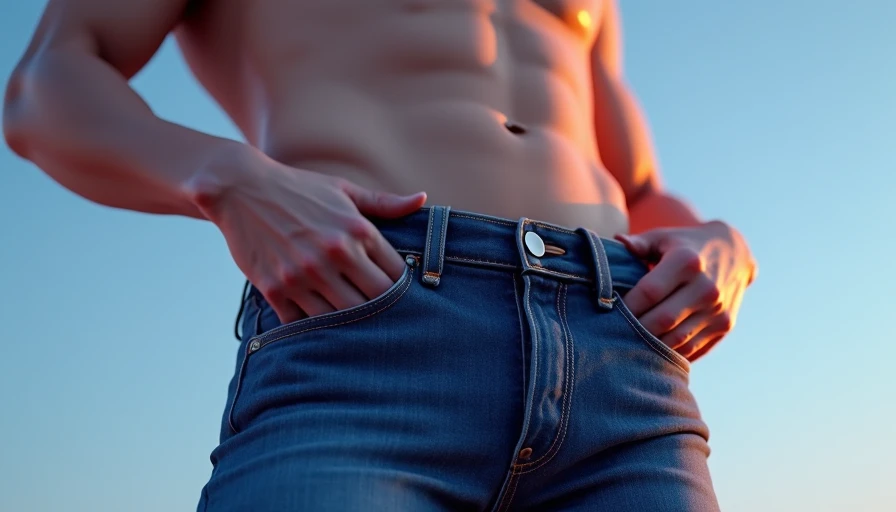
Here's a simple test I teach customers: put the jeans on and button them. You should be able to slide two fingers comfortably between your waist and the waistband. If you can fit a whole hand, they're too loose. If your fingers barely squeeze in, they're too tight. That's the first step.
Next, look at the seat and thighs. When you sit down, the fabric should feel smooth, not pulling across your hips or bunching up behind your knees. You want a little room — think of a tailor's pinch test: grab the fabric at your upper thigh. You should be able to pull about an inch away from your leg. More than that means they're baggy; less means they're painted on.
Length matters too. The hem should hit right at the top of your shoe without puddling. A slight break (one small fold) is fine, but if you're stepping on the back of the jeans, they're too long. Most guys are better off getting them hemmed at a tailor or choosing a store that offers free alterations.
Common Fit Mistakes to Avoid
I see the same three mistakes week after week on the sales floor. First, guys buy jeans that fit in the waist but are too tight in the thighs. That leads to that uncomfortable pulling look, especially when you sit. If that's you, try a "straight" or "regular" cut instead of "slim."
Second mistake: relying on a belt to fix a loose waist. A belt is an accessory, not a solution for jeans that are too big. If your jeans sag without cinching a belt, they're the wrong size. Go down a waist size or try a different brand — sizing varies more than you'd think.
Third mistake: ignoring rise. Low-rise jeans can feel too tight around the hips even if they're loose elsewhere. Mid-rise (sitting right at your natural waist) is the most forgiving for most body types. High-rise is making a comeback too, especially with straight-leg cuts.
How Different Jean Styles Fit
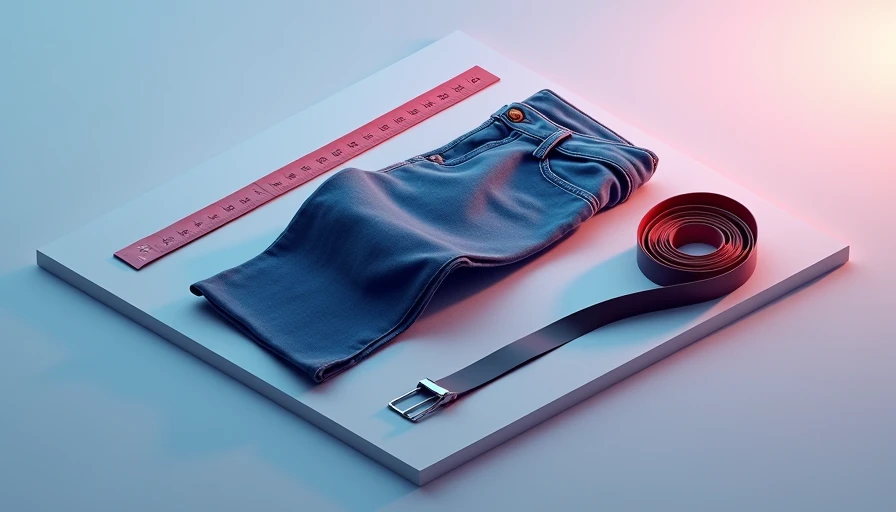
Not all jeans are designed to fit the same way, so thinking about how tight should men's jeans fit depends on the cut you choose. Here's a quick guide:
- **Slim straight**: Snug through the thigh, straight from knee to ankle. Not skin-tight. You should see the shape of your leg but not have fabric pulling. This is the most versatile cut for casual offices and weekends.
- **Skinny**: Tight everywhere. If you can't pinch any fabric at the thigh, they're too small. Skinny works for slim builds but can look constricting on anyone else.
- **Straight**: Classic fit. Roomier in the seat and thigh, straight down. This is the most forgiving and comfortable. Great for athletic builds.
- **Athletic taper**: Extra room in the thigh, then tapers to a narrower ankle. Perfect for guys with bigger quads who still want a modern look.
- **Relaxed/loose**: Baggy by design. Not recommended for most modern outfits unless you're going for a specific retro vibe.
Shopping Tips for Getting the Right Fit
When you're trying on jeans, bring a pair of shoes you'd actually wear with them. Sneakers vs. boots changes how the length feels. Also, wear the same kind of underwear you'd normally wear — boxers, briefs, or compression shorts all affect how jeans sit.
Brands fit differently. Levi's 511 (slim) runs a bit roomier than J.Crew Factory's 484 (slim). Gap's skinny jeans are tighter than Old Navy's. Don't get stuck on a number — try on three different sizes and two different cuts. I've seen guys who wear a 32 in Levi's but need a 34 in Uniqlo.
And here's a pro tip: check the fabric composition. Jeans with 1–2% elastane or spandex will stretch slightly after a few wears. If they feel snug in the store, they'll probably be perfect after a day of wear. 100% cotton denim won't stretch much, so it should feel comfortable immediately.
When to Size Up or Size Down
Sizing up isn't just for waist size. If your jeans are tight in the thighs but good in the waist, move to a cut with more thigh room rather than a bigger waist. Conversely, if you're between waist sizes, go with the larger size and use a belt — but only if the difference is half an inch or less. More than that, try another brand.
Don't forget that jeans stretch with wear, especially in the waist. A pair that feels slightly snug on day one will likely be perfect after three wears. But don't bank on stretching more than half a size — if they're painful to button, they're too tight.
Final Thoughts
The goal is a pair of jeans that looks clean, feels comfortable, and makes you feel confident. You don't need expensive jeans — you need jeans that fit. Spend less, dress better. Next time you're at Gap, Levi's, or J.Crew Factory, take five extra minutes in the fitting room. Your outfit will thank you.

Travellers Write
No letters yet — be the first traveller to write.