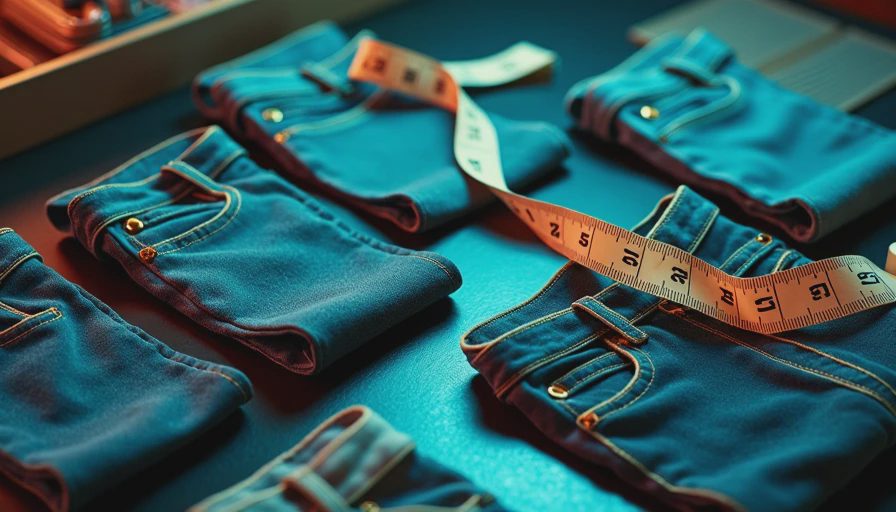
If you’ve ever stood in a dressing room wondering how should jeans fit for men, you’re not alone. I’ve helped hundreds of guys at Gap and J.Crew Factory figure this out, and the answer is simpler than most make it. Jeans that fit right look better, feel better, and last longer — and you don’t need to spend $200 to get them. Start with the waist, then move to the thighs, seat, and length. Let’s break it down.
The Waist: Snug Without a Belt?
Your jeans should stay up on their own. When you try a pair on, button them and walk around. If you need a belt to keep them from sliding down, the waist is too big. A proper fit means you can slide two fingers between your waistband and your body — not a whole hand. If it’s tight enough that you can’t breathe, size up. Remember that raw denim will stretch about half an inch after a few wears, but most pre-washed jeans won’t. Aim for the waist to sit comfortably on your hips or natural waist, depending on the rise. At stores like Levi’s or Uniqlo, try the size that feels snug at first — it’ll loosen slightly.
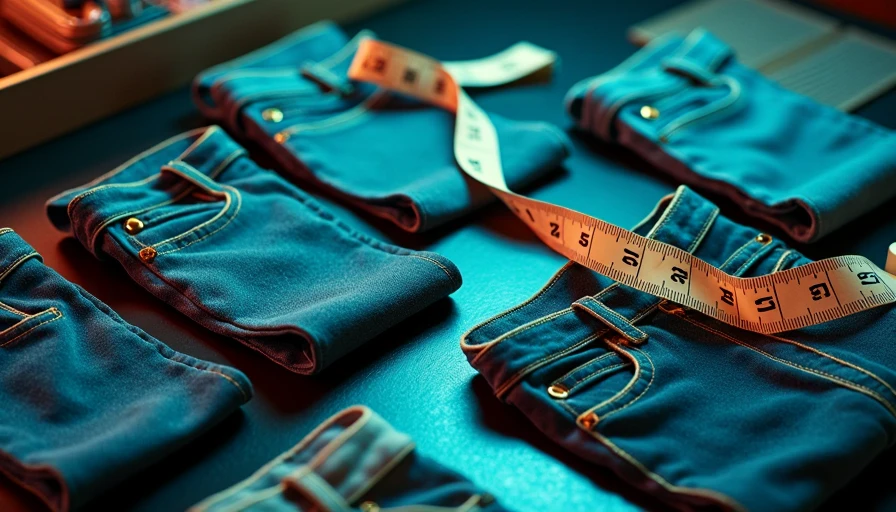
The Thigh and Seat: Room to Move
This is where most guys mess up. Jeans that are too tight in the thigh pull at the crotch and make you look squeezed. Jeans that are too baggy in the seat look sloppy. The right fit gives you enough room to squat down without the fabric straining. You should be able to pinch an inch of fabric on each thigh when standing. If you have athletic legs, look for straight or athletic-taper cuts — brands like Lucky Brand and Levi’s 541 are good bets. If you’re slim, a slim straight or skinny taper works. Avoid anything that bunches up behind your knees when you stand. If the seat feels tight when you sit, size up in the waist and get the waist taken in if needed. That simple fix makes cheap jeans fit like tailored ones.
The Length and Break: How Much Cuff?
Length is about the break — where the hem hits your shoe. For most casual wear, a slight break is best. That means the jeans rest on the top of your shoe with one small crease. No break (just above the ankle) works for cropped looks or with sneakers, but it’s less versatile. Full break (fabric stacking or bunching at the shoe) looks dated unless you’re going for a relaxed vibe. A 32-inch inseam works for average-height guys. If you’re shorter, don’t be afraid to get them hemmed — it’s cheap and changes everything. At stores like Old Navy or Gap, you can often find jeans sold by inseam length. If you’re between lengths, go shorter and cuff once. Cuffs add a casual touch and keep your jeans from dragging on the ground.
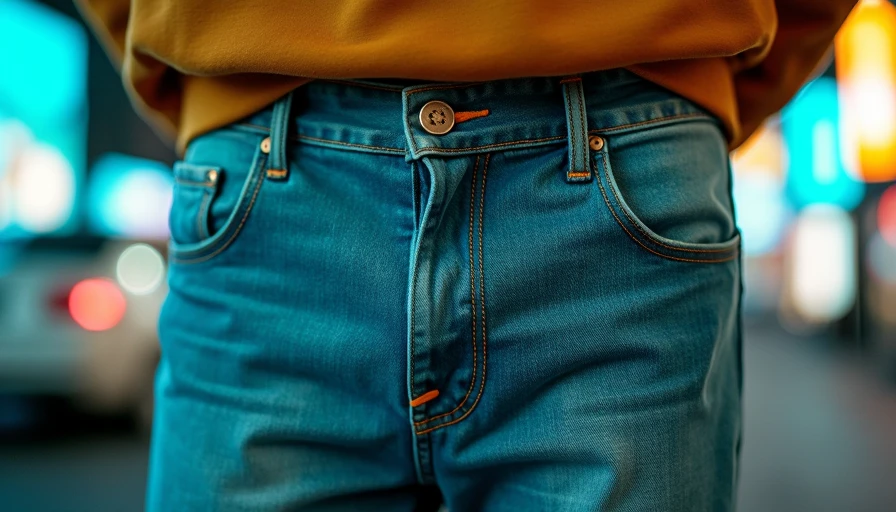
The Rise: Where Should Jeans Sit?
Rise is the distance from the crotch to the top of the waistband. Most guys default to a mid-rise, which sits right around the hips. This is the safest option for everyday wear. Low-rise jeans (sitting below the hips) work for slimmer builds but can feel uncomfortable when you sit. High-rise jeans (sitting at the natural waist) are making a comeback and look great with tucked-in shirts or shorter jackets. They also make legs look longer. Try on a few rises to see what feels natural. If you have a longer torso, high-rise can balance your proportions. If you’re short, mid-rise keeps your legs from looking too short. Uniqlo, Levi’s, and J.Crew Factory all offer multiple rise options in the same store.
Putting It All Together
Now you know the basics. When you next shop, start with the waist, then check the thighs and seat. Pick a length that gives a clean break, and choose a rise that feels good. Fit comes first — price matters, but fit decides. Spend less. Dress better. If you’re still unsure, take a pair you already like and measure the waist, thigh, and inseam. Use those numbers as a baseline when trying new brands. Most stores have free returns, so order a couple sizes and compare at home. Once you dial in how should jeans fit for men, you’ll never settle for bad denim again.
A Quick Fit Checklist for Your Next Denim Purchase
Even if you know the basics, it's easy to forget one thing when you're in the dressing room. Run through this simple checklist before you buy:
- Waist: Should stay up without a belt; you can slide two fingers under the band.
- Thigh: Enough room to pinch an inch of fabric; no pulling at the crotch when you squat.
- Seat: Smooth without sagging or tightness; no bunching behind the knees.
- Length: A slight break at the shoe; hem just above the ground when standing barefoot.
- Rise: Mid-rise for most body types; high-rise for longer torso; low-rise for slim builds.
- Stretch: If raw denim, expect half an inch of stretch; pre-washed may not stretch much.
- Returns: Order two sizes and return the one that doesn’t fit — most stores offer free returns.
This checklist covers the essentials. Use it every time you shop, and you’ll quickly know how should jeans fit for men without second-guessing.

Travellers Write
No letters yet — be the first traveller to write.